Introduction to System Architecture
Systems Architecture · Chapter 1
A Formative Decision
- June 1962: NASA commits to a dedicated descent capsule — the Lunar Module — instead of landing the Command/Service Module itself
- Decided in Apollo’s first year, seven years before the maneuver would fly — before most staff were hired or design contracts awarded
Note
This is architecture: one early decision eliminated countless possible designs and gave every downstream team a starting point.
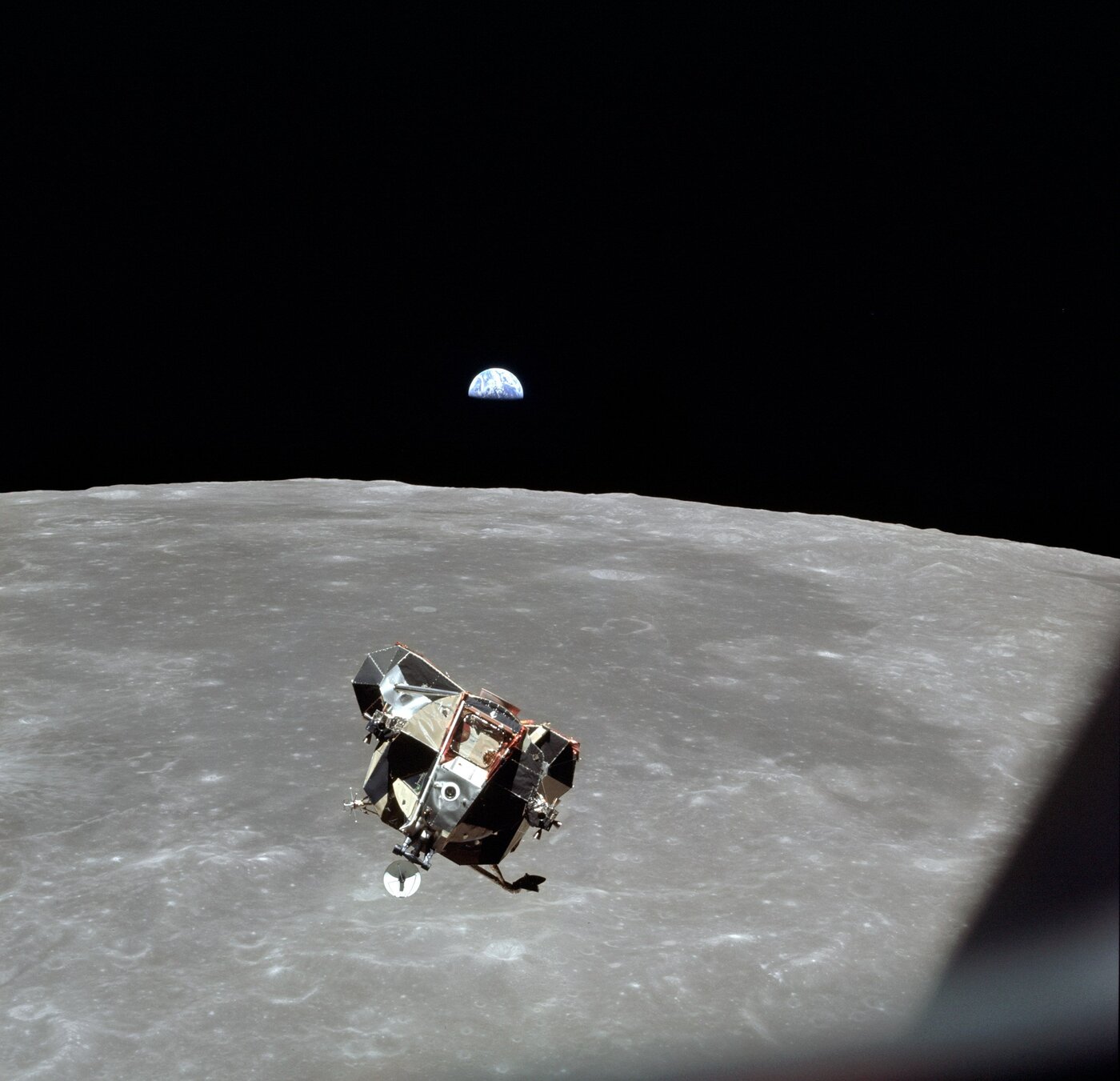
Apollo 11 LM ascent stage, 1969. Credit: NASA / Michael Collins (public domain).
We Build Big, Complex Things
- Container ships: 480 containers (1950) → 18,000 containers today
- Cars: ~70 processors on board, connected by up to 5 buses at 1 Mbit/s — vs. 160 bit/s a generation ago
- Oil platforms: $200–800M each; 39 delivered between 2003 and 2009
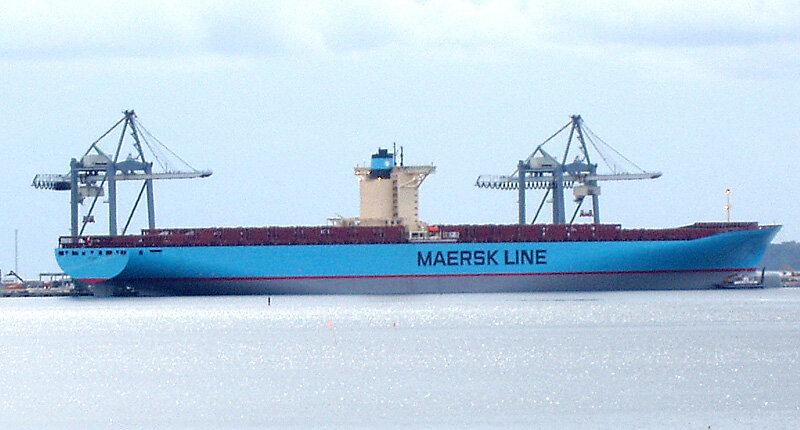
Emma Mærsk, once the world’s largest container ship. Credit: Nils Jepsen, CC BY-SA 2.5.
Extraordinary Scale Has Become Routine
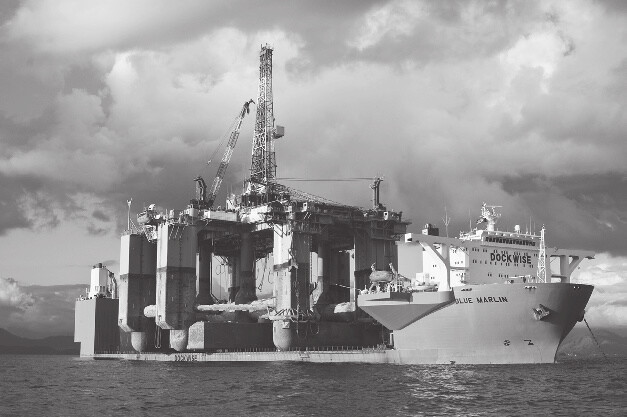
The heavy-lift ship MV Blue Marlin transporting the 36,000-metric-ton drilling platform SSV Victoria. Source: Dockwise / Rex Features / Associated Press. Reproduced from Crawley, Cameron & Selva, System Architecture, Pearson (2016), Fig. 1.1.
Complex ≠ Just Big
- BMW: 1.5 billion potential configurations offered to customers (2004)
- Augustine’s Law: unit cost of fighter aircraft rose exponentially, 1910–1980 — extrapolated, one aircraft would consume the entire 2053 U.S. defense budget
- 30 years later, it’s holding up: F-22 Raptor, 2010 — $160M flyaway, $350M including development
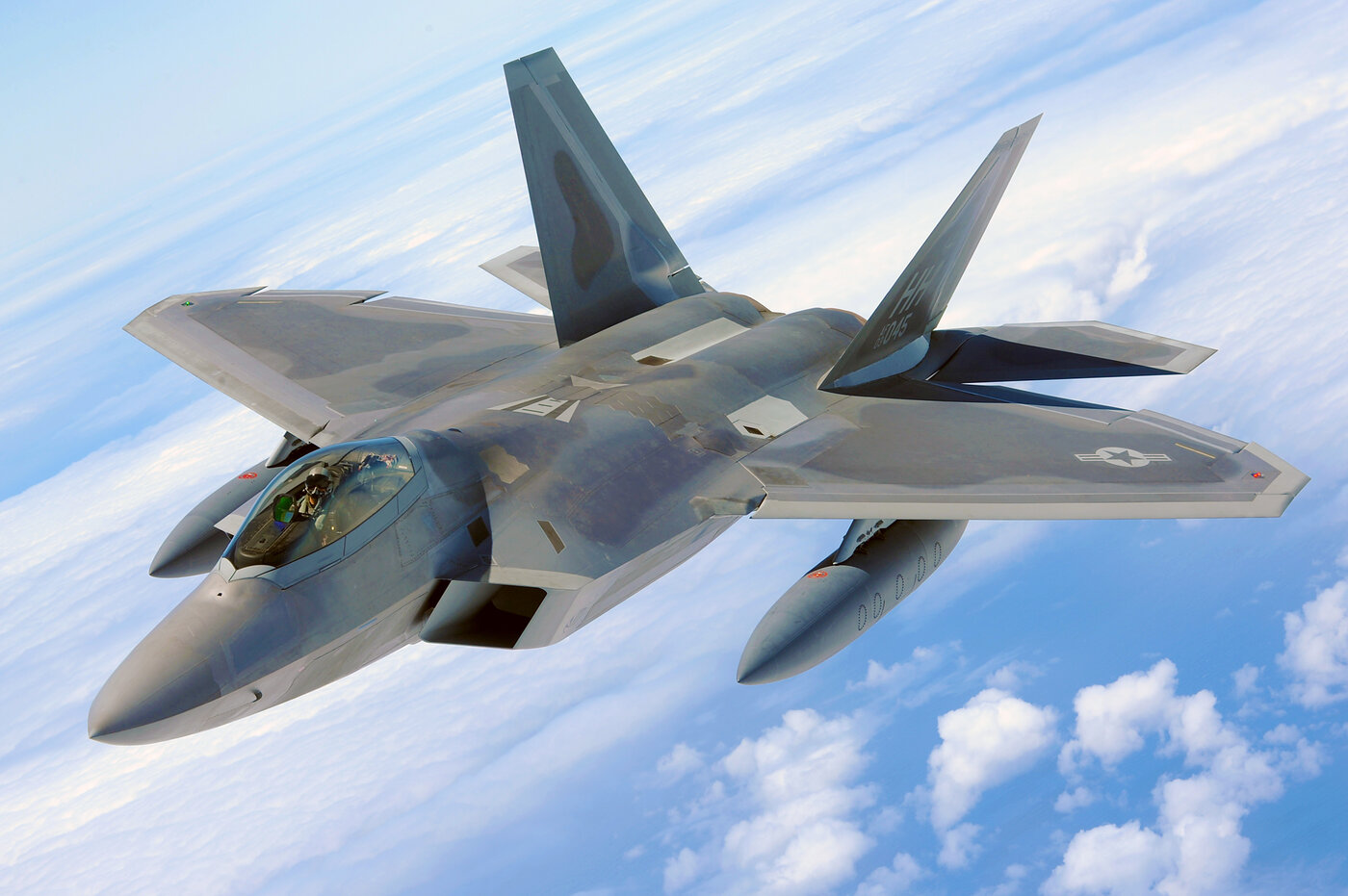
F-22 Raptor, 2010. Credit: U.S. Air Force / SrA Gustavo Gonzalez (public domain).
Bet the Company
- Boeing is half of a global duopoly for large passenger aircraft
- Boeing “bet the company” on the 787 and its composite-material technology — one product, concentrated risk
- The mobile device market is far more diversified — yet BlackBerry and Ericsson still declined
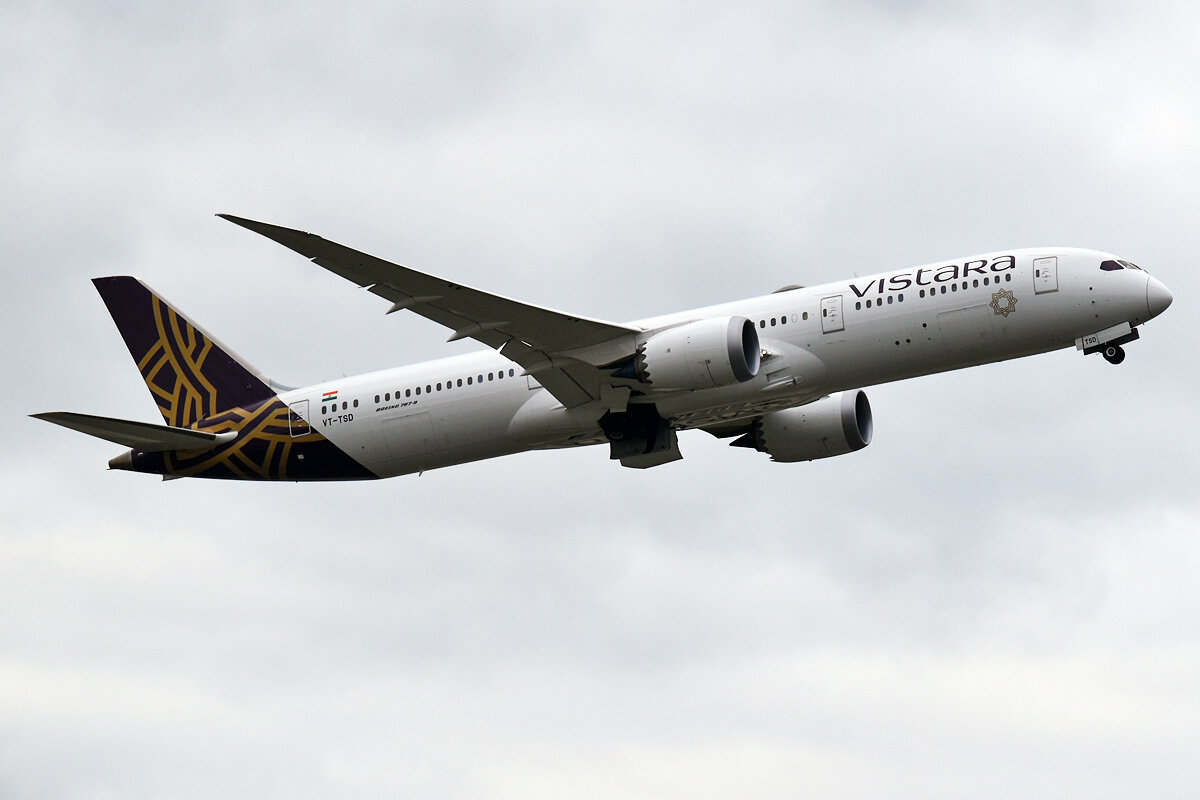
Boeing 787-9 Dreamliner. Credit: Anna Zvereva, CC BY-SA 2.0.
Good architectural decisions create competitive advantage. Bad ones can hobble a firm from the outset.
Case Study: NPOESS
- 1994: merges two operational weather-satellite programs (civilian + military) — a $1.3B cost-consolidation opportunity
- The VIIRS instrument: expected to combine three historical instruments’ capability, with less mass and volume than one — assuming complexity would scale linearly. It didn’t.
- No system architect was appointed to manage the trade

VIIRS “Blue Marble,” Suomi NPP. Credit: NASA/NOAA/GSFC/Norman Kuring (public domain).