Planning Through Contact
Nonprehensile manipulation when the planner must invent the contacts
The task
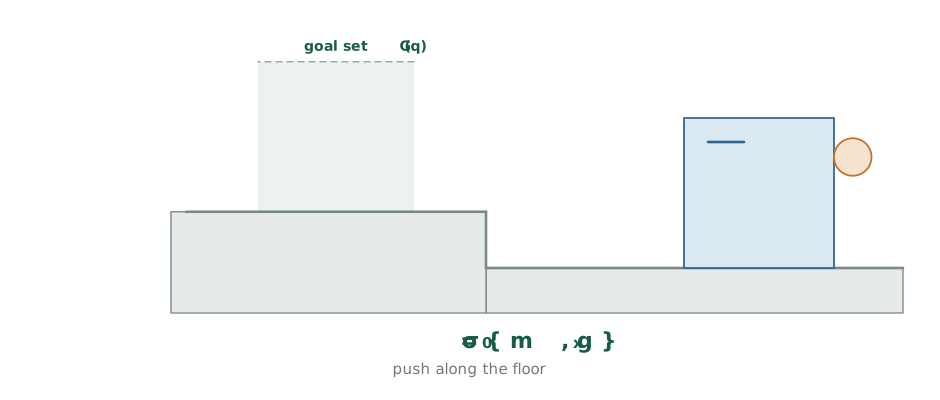
The planner is given a start pose and a goal set. It is not given the contacts.
Two problems at once
Continuous
A trajectory and a control signal satisfying non-penetration, unilateral contact, friction, and dynamics.
Discrete
Which contacts are held, and in what order they are made and broken.
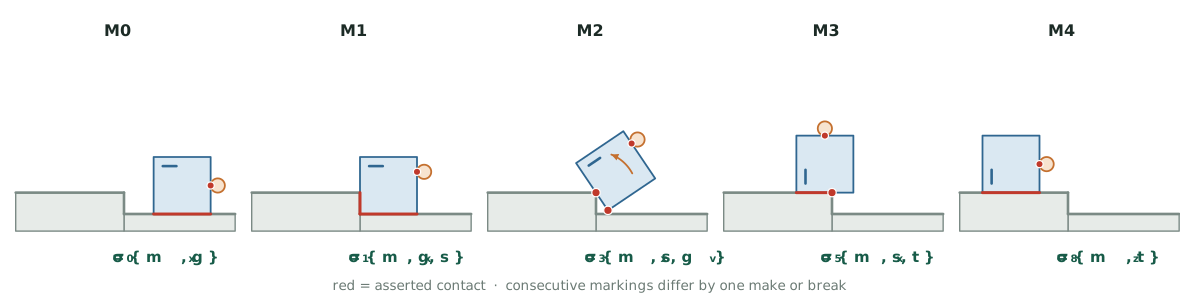
Get the sequence wrong and no amount of trajectory optimization recovers it.
What the discrete object should be
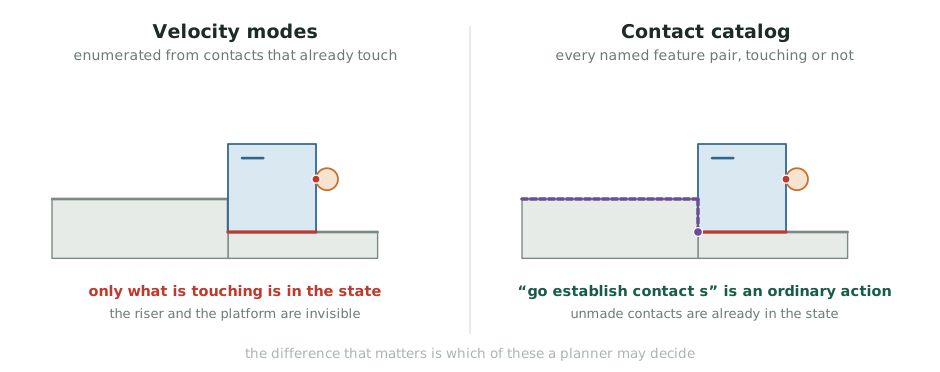
Carrying unmade environment contacts in the state, and gating their release by statics, is the structural difference — everything else follows from it.
The method at a glance
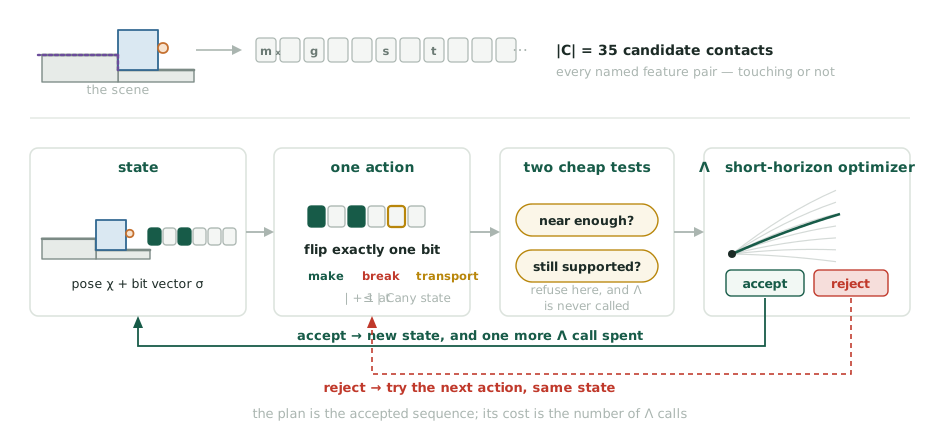
Everything that follows expands one box of this picture.
Features
Object 1
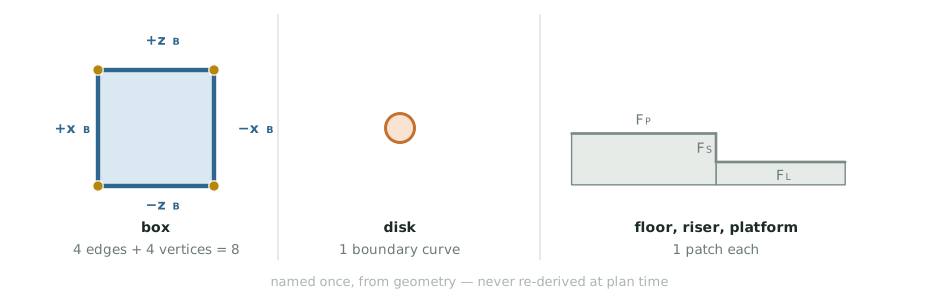
Fixed by geometry, once, before planning. Finite by construction.
Templates and gaps
Object 2
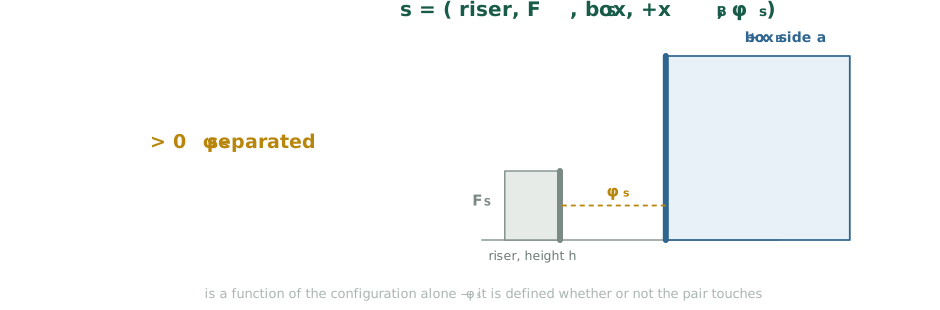
\(\varphi_c(\chi)\) is a function of configuration alone, so it is defined whether or not the pair touches. That is what lets an unmade contact sit in the state.
The catalog
Object 3
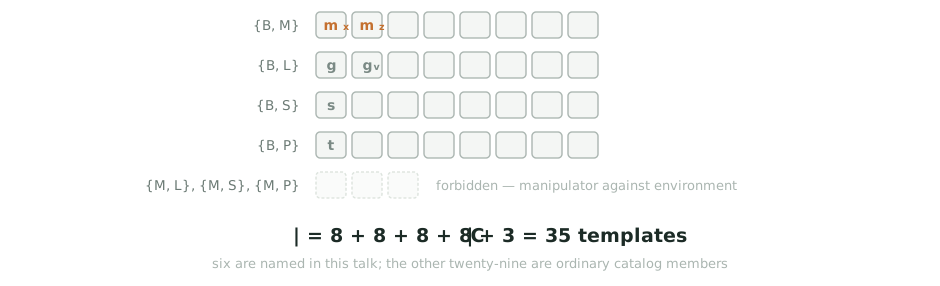
Most of these will never be touched. That is fine — the state is a bit vector over all of them, not a list of the ones in use.
The state
Object 4
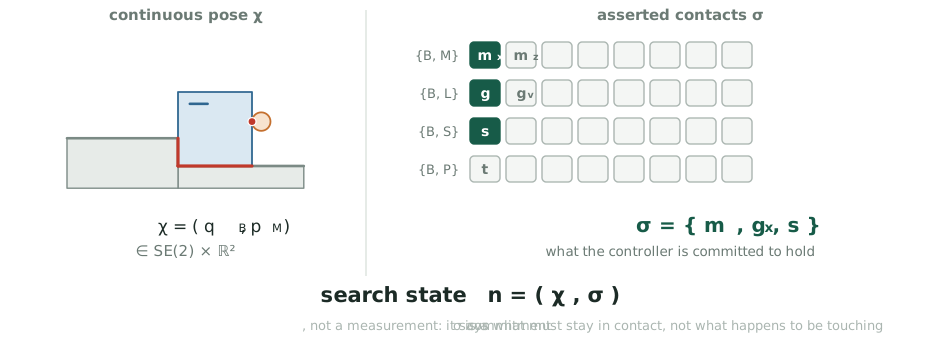
Not an enumerated set of formations — there are \(2^{35}\) of those — but the bit vector itself, carried alongside the pose.
The actions
Object 5
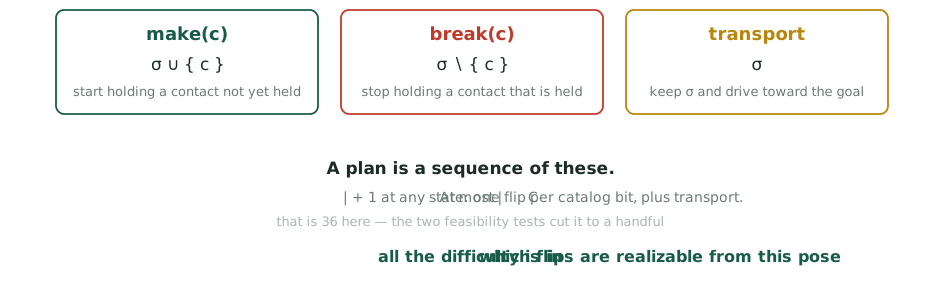
What the marking graph actually is
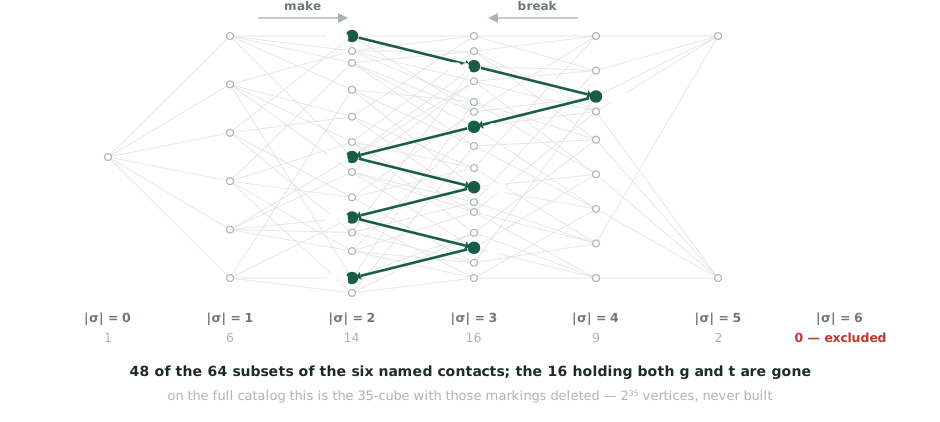
Validity is hereditary, so the graph is connected and the distance between two markings is exactly their Hamming distance. There is nothing here to search.
The plan is a walk on that graph
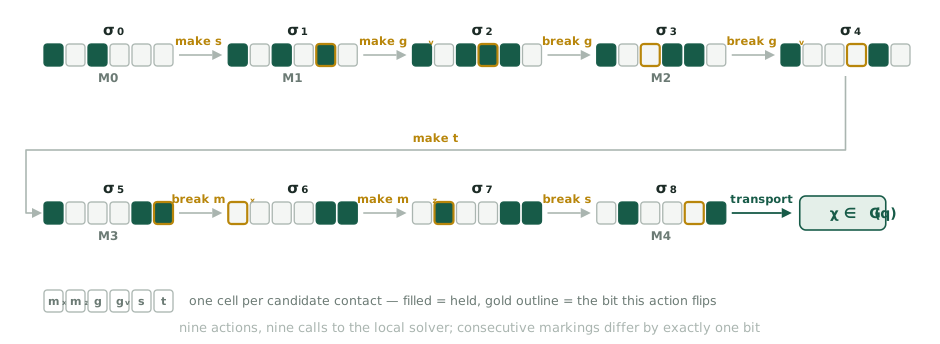
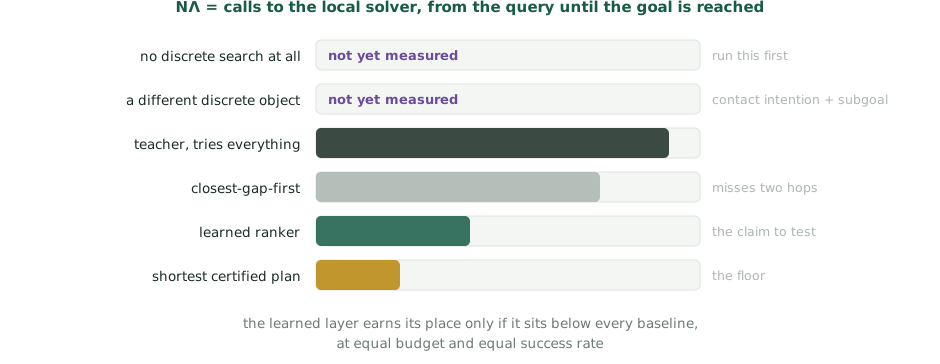
Nine actions, nine calls to the local solver. That count is the quantity this project is trying to reduce.
Realizing one action
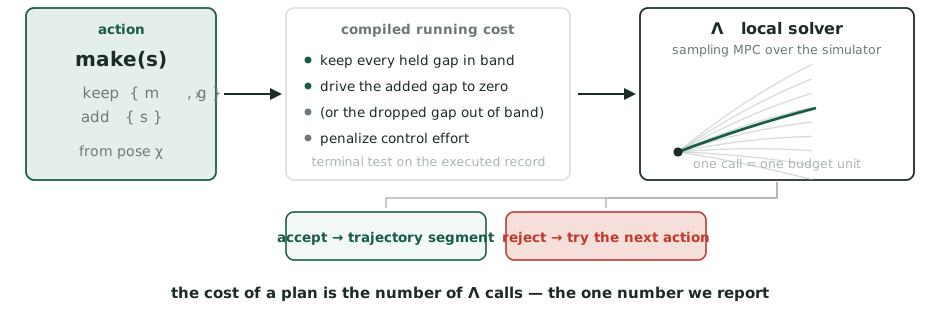
\(\Lambda\) is an oracle we call and count. Everything else exists to call it fewer times.
Two cheap tests come first
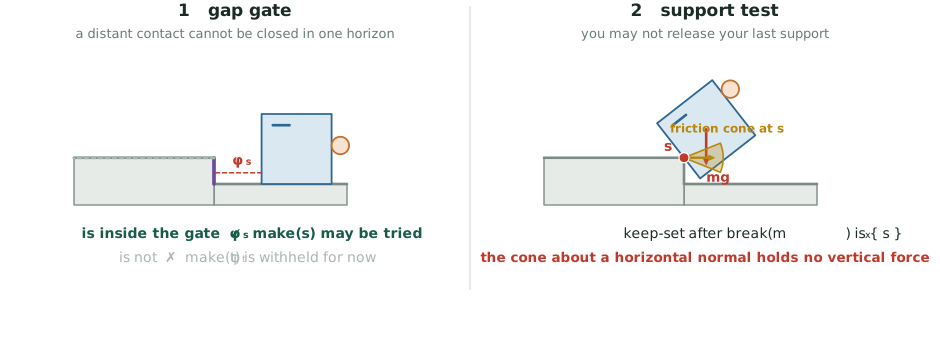
Both are products of local factors, so both cost microseconds and run before any optimization.
When the manipulator may let go
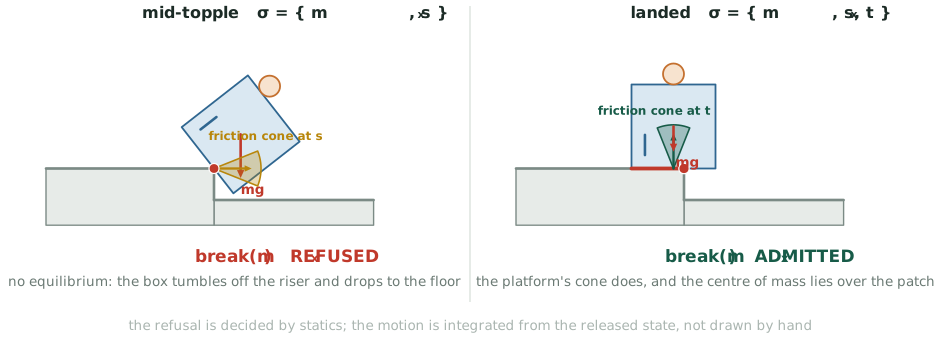
Geometry fixes the order
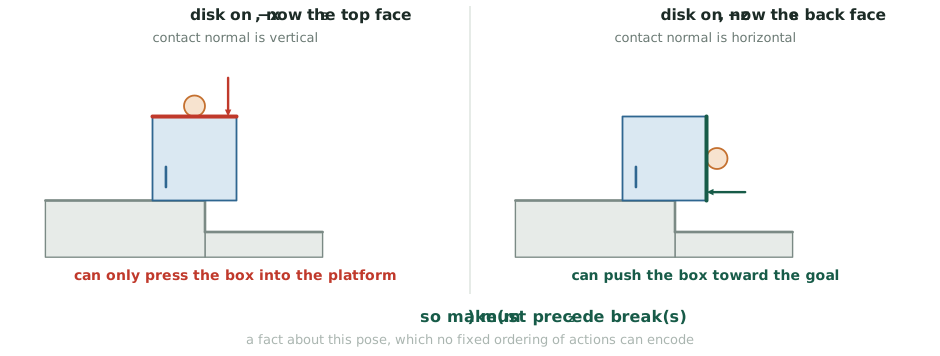
Only the new back face has a horizontal normal, so make must precede break — a fact about this pose, which no fixed ordering of actions could encode.
That is already a planner
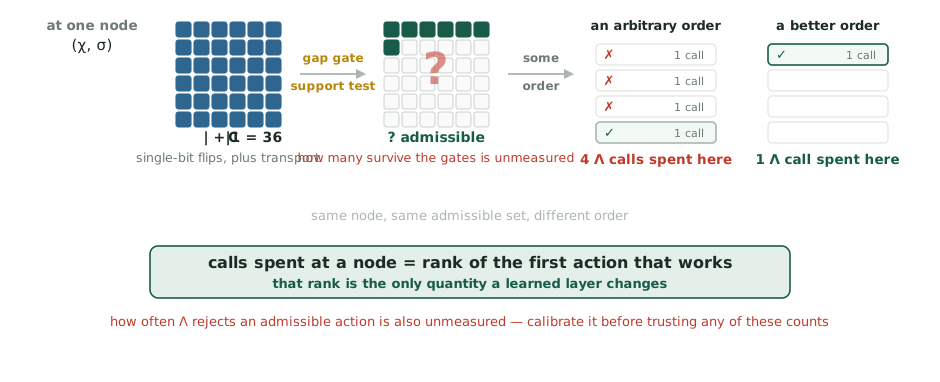
Everything so far runs with nothing learned in it, and what it returns is certified by the records that produced it.
The contact graph: one vertex per contact
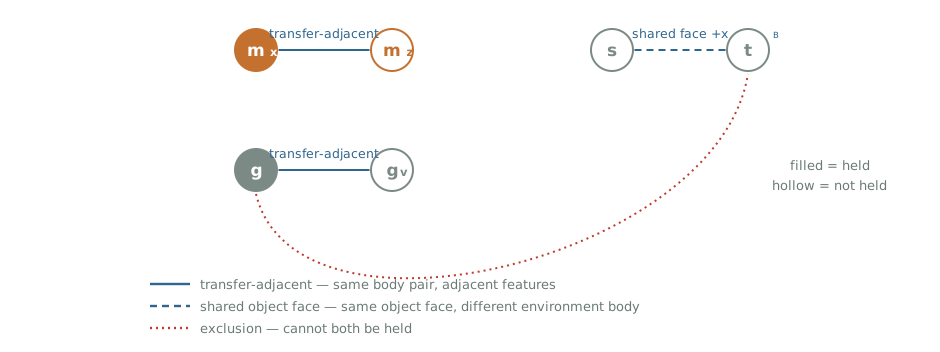
A marking is a subset of these vertices — the two filled are \(\sigma_0\). So a vertex of the marking graph is one on/off setting of this picture, and the walk is it lighting up and going dark. We search over markings; the network runs here, and returns which marking-graph edge to take next.
A neighbourhood, not the whole catalog
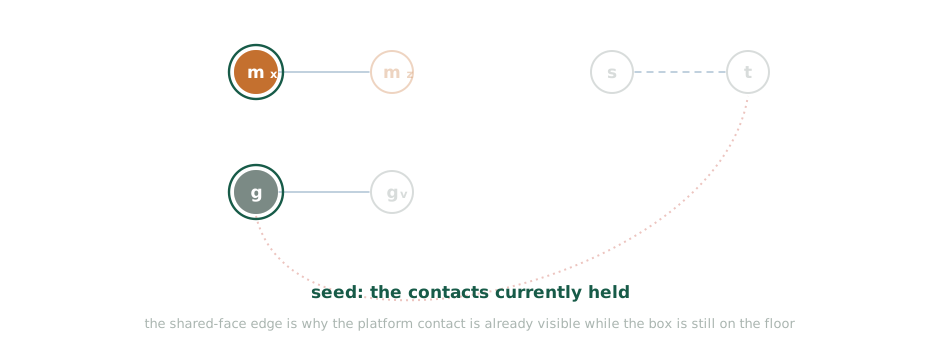
The platform contact enters the network’s view through a shared-face edge while the box is still on the floor — long before it is close enough to attempt.
Ranking the available actions
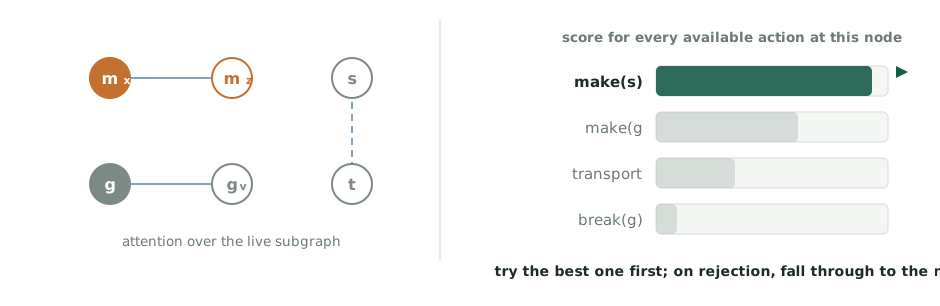
It cannot make \(\Lambda\) succeed more often, and it cannot make an illegal action legal. It can only move the action that works to the front of the list.
Why a learned order is worth anything
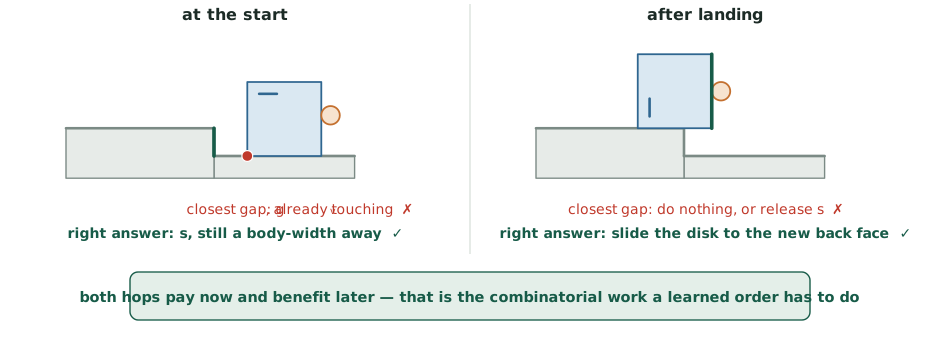
Both hops pay now for a benefit several actions later. A learning claim needs a baseline it can lose to, and this is it.
The whole system
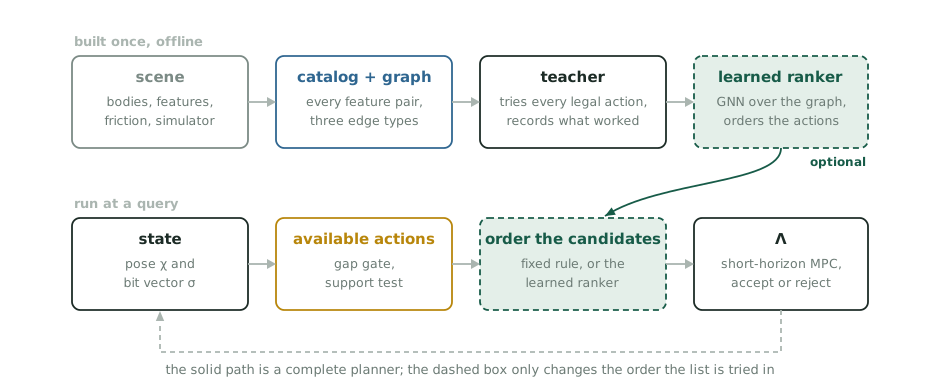
One number